 |
 |
||||||||||||||
 |
|||||||||||||||
 |
|
||||||||||||||
 |
|||||||||||||||
| Torque-Power |
 |
||||||||||||||
 |
|||||||||||||||
 |
|||||||||||||||
 |
|||||||||||||||
 |
|||||||||||||||
Given
the trend towards stroking, early-girl engines are screaming out for
specialist manifold treatment. Here's all you need to know. |
|||||||||||||||
 |
|||||||||||||||
 |
|||||||||||||||
 |
 |
||||||||||||||
 |
|||||||||||||||
 |
|||||||||||||||
 |
|||||||||||||||
 |
|||||||||||||||
 |
|||||||||||||||
 |
|||||||||||||||
 |
|||||||||||||||
 |
|||||||||||||||
 |
|||||||||||||||
 |
|||||||||||||||
|
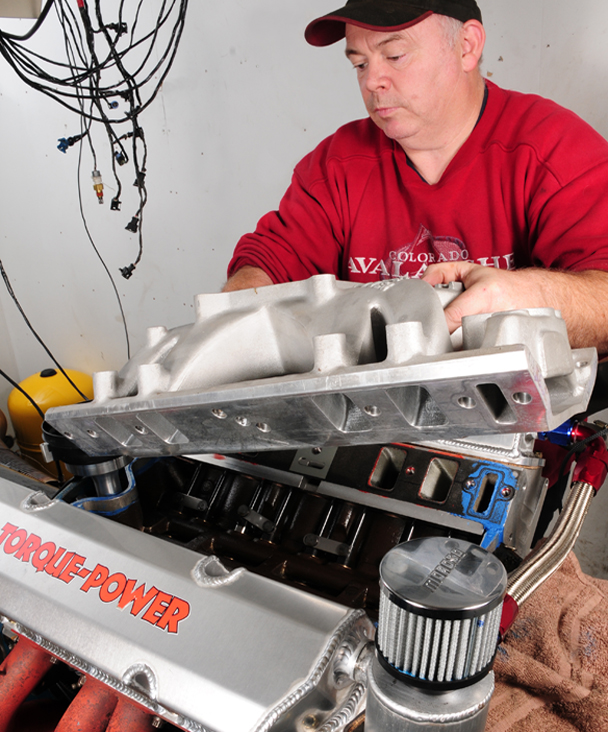
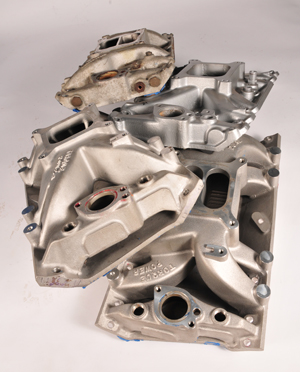
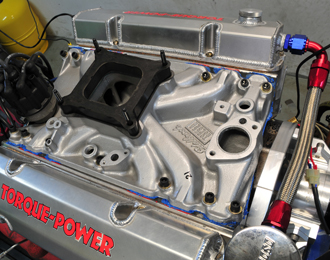
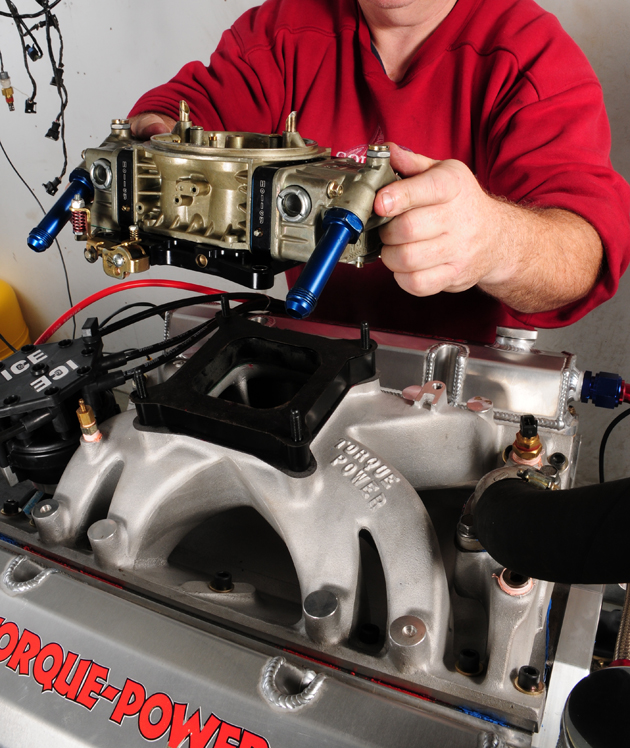
SPOILT FOR CHOICE Most people who like earlier Commodores and even earlier Holdens will have heard of Torque Power and the company’s products for Holden iron-block V8 engines. In fact, we’ve covered most of them in the magazine over the years. The high-rise dual-plane manifold shown here is the latest development from the company. It was dyno tested at Micron Competition Engines in Mount Gambier, SA and we went over to take a look. Craig
Bennett, from Torque Power, suggests that for years there’s been
a gap in the product line available for the early configuration Holden
engine. “The manifolds that have been available for the engine
are pretty old designs, and were made primarily for standard displacement
308ci engines with ported iron heads,” he says. These days, however,
fresh build early Holdens are almost always stroked, commonly to 355ci.
He suggests that manifolds like the Torker and Performer, which work
fairly well on 308ci engines, don’t have the volume needed for
stroked versions. |
 |
||||||||||||||
 |
|||||||||||||||
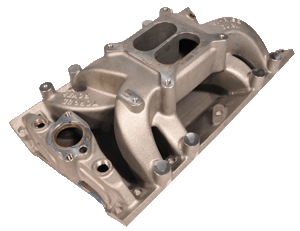
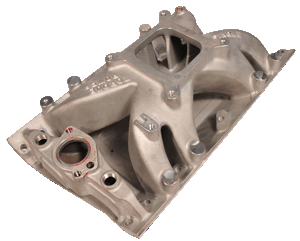
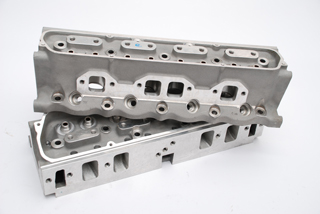
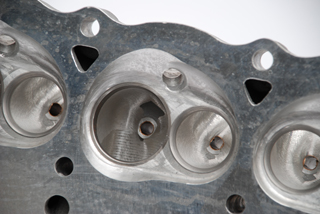
In addition to manifolds, early design iron heads are also a restriction when it comes to stroked engines. According to Craig, a 355ci engine needs inlet runner volumes of about 160cc, but the ports in factory iron heads can only be opened up to around 135-140cc before hitting coolant. That’s why Yella Terra introduced its Dash 3 heads for these engines. In collaboration with Micron, Torque-Power developed performance port profiles for these heads some years ago and the designs have been digitised for CNC replication. The modified ports have volumes of 182cc which is enough to feed both 355ci and 383ci strokers. The custom profiles are carved to order by Bullet Cylinder Heads in SA. These heads set the stage for stroked 383ci Holden engines capable of a fairly easy 550hp when fitted with the single-plane Torque Power manifold shown here, which we reviewed back in ‘05. In fact the single-plane manifold was developed at the same time as the Dash 3 custom ports. The thing is, this port/manifold combination is better suited to higher revs and displacements than 355ci engines. The new dual-plane high-rise manifold shown is matched to these smaller strokers with shorter duration performance camshafts in the 230-255deg @ 0.050in range. The new manifold doesn’t fall that far short of the single-plane on a 355ci at the top end, but offers substantial gains in bottom end torque in such applications.
|
|||||||||||||||
 |
|||||||||||||||
 |
 |
||||||||||||||
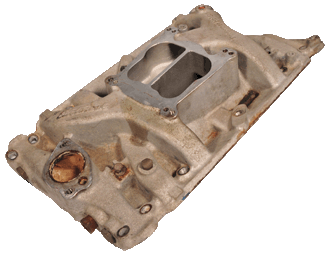
| WHAT IT TAKES Torker and Performer manifolds were designed to enhance performance but keep carburettors below bonnet lines. For some people, this is an important consideration but Craig says that it does introduce other compromises. Airspeed, volume and general configuration are the fundamental considerations in manifold design. Each affects the other and they must harmonize for a manifold to work properly. Keeping a runner low reduces its length and consequently its volume. Also, most importantly, it changes the angle at which air enters the port and this in turn alters its behaviour when it reaches the valve. To help visualize this, think of a manifold runner as a simple length of straight pipe. It’s not hard to imagine that altering the angle of the pipe in relation to the port would change the flow characteristics of air within the port. Although a manifold runner has a more complex shape, the same principle applies. Craig says you can hear on the flow bench when the discharge angle of a manifold runner is right or wrong. The cross sectional area of a manifold runner, and its taper, are the essential factors in developing high airspeeds. Although increasing the cross sectional area of a runner will increase its volume, it won’t help get more air into an engine because airspeed will be reduced, particularly at lower engine speeds. The high-rise design of the new dual-plane manifold allows longer runner lengths. In turn, this allows adequate volume for supplying a 355ci engine while maintaining a cross sectional areas conducive to high airspeeds. |
|||||||||||||||
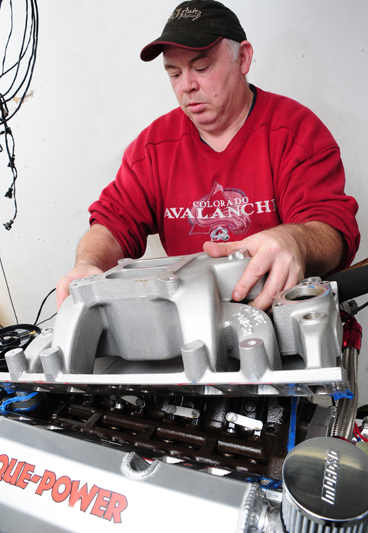 |
The size and shape of the runners may be the main factors in controlling airspeed into an engine, but they only partially control the overall volume of a manifold. The volume of the central plenum has to be added to that of the runners to get the true volume of a manifold. Altering the size of the plenum allows changes to the overall volume of a manifold without changing the airspeeds established by the configuration of the runners. The high-rise design means that the plenum can be larger. The resultant increase in volume contributes to feeding the larger displacement of a stroker engine. What’s more, even though the plenum floor is lower, it can still remain separate from the base of the manifold and avoid contact with the hot oil splashing around in the valley.
THE REAL WORLD Testing and developing on the flow bench is one thing but nothing beats dyno testing because there are some things a flow bench just can’t simulate. For a start, a flow bench sets up a continuous flow of air through the manifold/head combination whereas the flow though an operating engine is pulsed as the valves open and shut. Also, there’s no fuel in the air passing through a flow bench. Craig says that the fuel mist suspended in the air passing into an operating engine has greater inertia than air alone, which makes it harder to get the mixture to flow around bends. “You can get very close on a flow bench but there’s no substitute for dyno testing”, he says.
They also insulate carburettors from the hot manifold although the air-gap styles shown here are less susceptible to that particular problem. |
||||||||||||||
 |
|||||||||||||||
| Basically, if a manifold/engine combination benefits from the addition of a spacer it means that the design of the runners is probably good because obviously they are able to pass more air. If the addition of a spacer makes a combination go backwards, it’s odds-on that your combination was fairly close to optimum. | |||||||||||||||
| If a spacer doesn’t make any difference at all, and flow testing suggests that the combination should make more power, it means that there’s a restriction somewhere after the plenum. It could be anywhere but one of the first things to try would be another set of exhaust pipes.
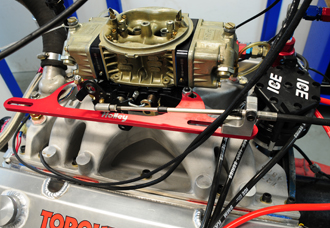
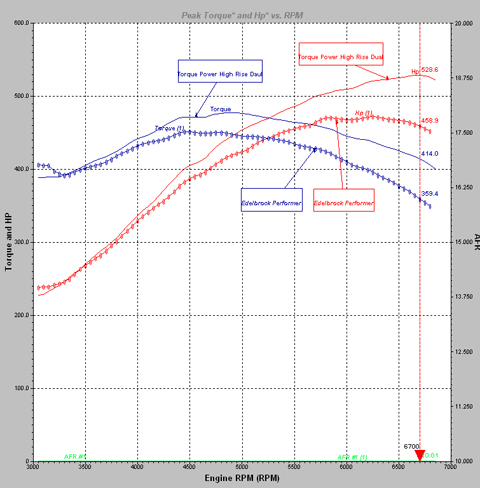
NO APOLOGIES As we mentioned initially, the low profiles of the older manifolds shown do keep carburettors from poking through bonnets. But a Holley on a Torque-Power high-rise dual-plane will also clear the bonnet if it’s fitted with a drop-profile air cleaner. However it’s tight so you’d need to check your clearances carefully. Of course once a spacer is added that’s no longer the case. Craig doesn’t concern himself with this too much. “I made the manifold for performance”, he said. The unwavering goal of optimising all aspects of the manifold design for performance has paid off. Over a couple of days and many runs each manifold was put through its paces on the Micron dyno. As the curves show, of the four manifolds tested the Torque-Power single-plain high-rise made the most top-end power. That’s not news. The single plane has been available for a few years now and pretty much everyone knows that it’s a good thing. Understandably, however, at lower revs it dropped below the other manifolds. Again, this is exactly what you’d expect given that it’s made for bigger engines turning faster. It’s also the reason that the company developed the dual-plane, which makes more torque under about 4250rpm. It must be said that the Performer does, too. However above 4250rpm both Torque-Power manifolds leave the Performer behind. The Torque-Power dual-plane has been designed for exactly this result. In summary, it provides greater top-end power than other manifolds without sacrificing torque at lower revs. This, of course, is the ultimate aim of general performance tuning. With
the introduction of this manifold there’s something for everyone
who wants to retain the port configuration of early Holden heads. But
which one to choose? In simple terms, a Performer dual-plane will suit
a standard displacement or 355ci engine with a cam in the 190-225deg
@ 0.050in range. The Torque-Power high-rise dual-plane is ideal for
feeding 308ci, 355ci and even 383ci engines with cams working in the
225-255deg @ 0.050in range. The Torque-Power high-rise single-plane
suits the stroked displacements with cams that work in the 255-280deg
@ 0.050in region.
|
|||||||||||||||
 |
|||||||||||||||
 |
|||||||||||||||
 |
|||||||||||||||
| WANTS AND NEEDS |
|||||||||||||||
| Craig
says people commonly ring asking for a single-plane manifold. He asks
what they’re building and the answer is often a 355ci stroker with
something like a Crane 286 and pocket ported heads. They may have a 3800rpm
or 3500rpm converter or perhaps even a 2500rpm unit. He explains that
they don’t need the single-plane high-rise, the high-rise dual-plane
would better suit their needs. At the top end both manifolds will be within
about 10hp of each other but the dual plane will make perhaps 30-40 ft/lbs
more torque. The good thing about the extra torque is that it helps the
converter work better. This means that instead of running a 4200rpm or
4500rpm converter with a single-plane high-rise, a 3500rpm unit might
remain a workable proposition. And keep in mind that the less a converter
slips, the cooler your transmission fluid remains.
Previously, a person with a 355ci stroker would have had to go to a high-rise dual-plane if a 240deg @ 0.050in camshaft was used. Nothing else would allow the cam to make the power it was capable of. However, as we’ve pointed out, the single-plane is actually a bit too big for the combination and would have reduced airspeeds too much for optimum results. This new manifold addresses that issue and fills the gap in the range of products available for the early motor. In our opinion, it’s definitely worth a look. Craig is eager to point out that development of a product like this is a collaborative effort and wouldn’t have been possible without the efforts and assistance of all the companies mentioned. The results of this united effort are available for $830 in either single or dual-plane form. |
|||||||||||||||
 |
|||||||||||||||
 |
|||||||||||||||
 |
|||||||||||||||